


















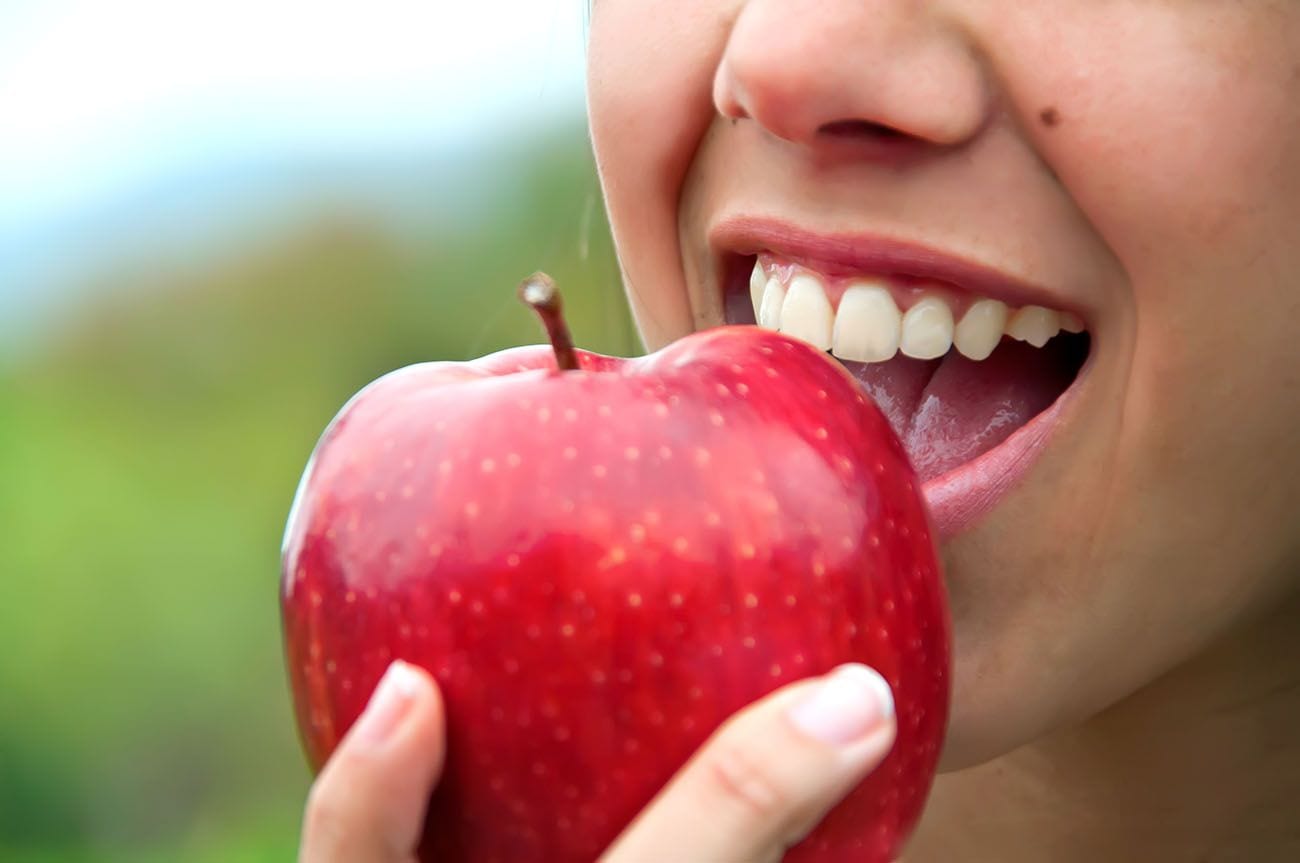
Snacking is a daily habit for most people, but what you choose to eat between meals can make or break your oral health. Some snacks help clean your teeth, neutralize acids, strengthen enamel, and support a healthier mouth. Others fuel bacteria, weaken enamel, and create the perfect environment for cavities.
If you want snacks that satisfy cravings and protect your teeth, understanding how different foods interact with your mouth is essential. This article explores the best tooth-friendly snacks—and the ones you should avoid—to keep your smile strong and cavity-resistant.
1. How Do Crunchy Foods Help Clean and Protect Your Teeth?
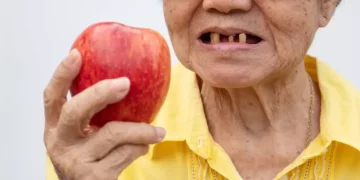
Crunchy foods are some of the most tooth-friendly snacks you can choose, especially when they are high in fiber and low in sugar. Their natural texture helps scrub the surface of your teeth while stimulating saliva production.
Why crunchy foods benefit oral health:
1. Natural cleansing action
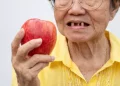
Fibrous foods like apples or carrots physically help remove plaque and food particles.
2. Increased saliva flow
Crunching stimulates saliva production, your mouth’s natural defense system.
3. Low sugar and low starch retention
Unlike cookies or chips, these foods don’t cling to teeth and decay into acids quickly.
4. Nutrient support
Many crunchy foods contain vitamins and minerals that support gum and enamel health.
Best crunchy snacks for healthy teeth:
- Carrot sticks
- Celery sticks
- Apple slices
- Raw cucumbers
- Bell pepper strips
- Snap peas
- Jicama sticks
- Raw nuts (almonds, cashews, walnuts)
These foods are ideal between meals because they help clean the mouth rather than create a sticky or acidic environment.
2. Why Are Low-Acid Fruits Better for Your Teeth?
Not all fruits affect the mouth the same way. While fruits are nutritious, many are acidic enough to soften enamel and feed bacteria—especially citrus fruits, berries, and pineapples.
Low-acid fruits offer vitamins and fiber without the high acidity that can damage enamel.
Benefits of choosing low-acid fruits:
- Less enamel erosion
- Reduced sensitivity
- Balanced oral pH
- Lower bacterial activity
- Less sugar retention on teeth
Best low-acid fruit options:
- Bananas (gentle on enamel, high in potassium)
- Melons (water-rich and naturally hydrating)
- Mangos (less acidic than citrus)
- Pears (neutralizing effect on oral pH)
- Papaya (smooth texture and low acidity)
Fruit pairing tip:
Eat fruits as part of a meal rather than alone. Your saliva is more active during meals, minimizing the acid impact.
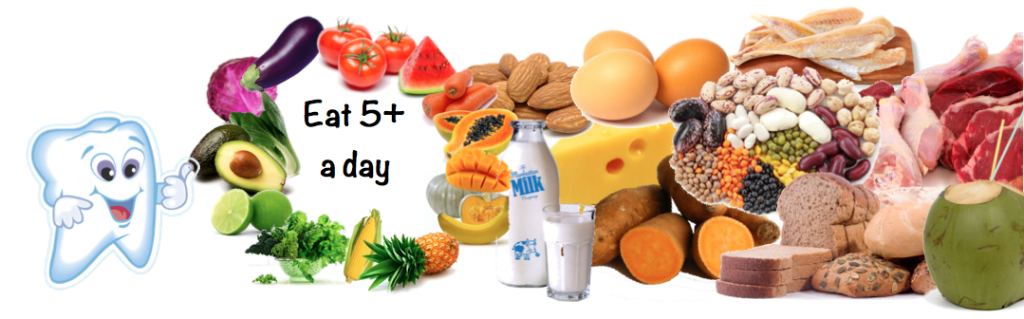
3. What Makes Cheese One of the Most Tooth-Friendly Snacks?
Cheese is often recommended by dentists—and for good reason. It’s one of the few snacks that actively protects and strengthens your teeth in multiple ways.
Why cheese is a superstar snack:
1. Neutralizes mouth acidity
Cheese raises oral pH almost immediately after consumption, stopping acid attacks that weaken enamel.
2. Mineral-rich composition
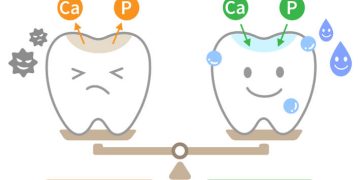
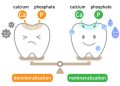
It’s high in calcium, phosphate, and casein, all essential for remineralizing teeth.
3. Protective enamel coating
The fats and proteins in cheese create a thin protective layer along the enamel surface.
4. Stimulates saliva
Chewing cheese increases saliva, amplifying its protective benefits.
Best cheese options for dental health:
- Aged cheddar
- Swiss
- Mozzarella
- Cottage cheese
- String cheese (convenient for on-the-go snacking)
Cheese pairs beautifully with crunchy vegetables for a balanced, enamel-friendly snack.
4. Why Does Meal Timing Matter More Than You Think?
Even healthy snacks can increase cavity risk if eaten too frequently.
Why snacking frequency matters:
- Every snack triggers an acid attack lasting 20–40 minutes
- Frequent snacking doesn’t allow enamel to recover
- Constant grazing keeps bacteria active
- Saliva has fewer opportunities to neutralize acids
Smart meal timing strategies:
1. Limit snacking to once or twice daily
This reduces the total number of acid attacks on your teeth.
2. Combine snacks with meals
Eating fruit or dairy with meals dilutes sugar and acid exposure.
3. Rinse with water afterward
Simple rinsing helps wash away residue and restore oral pH.
4. Choose “cleaner” snacks when eating between meals
Crunchy vegetables > crackers
Cheese > dried fruit
Nuts > granola bars
By spacing out snacks, you protect your enamel and support a healthier oral environment.
5. Which Snacks Should You Avoid for Better Oral Health?
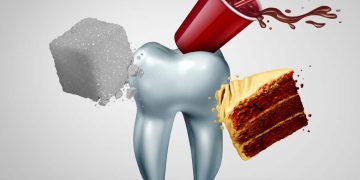
Some snacks are harmful because they are acidic, sticky, sugary, or slow to clear from the mouth. These foods can contribute heavily to cavities, enamel erosion, and gum irritation.
Snacks to avoid or limit:
1. Sticky or chewy candies
Caramel, gummies, fruit snacks, and taffy cling to teeth and feed bacteria for hours.
2. Dried fruits
Despite being natural, raisins, dates, and dried apricots are highly sticky and concentrated in sugar.
3. Potato chips and crackers
Starches break down into sugars and pack into grooves between teeth.
4. Sugary beverages
Sodas, sweet teas, and sports drinks coat teeth with sugar and acid.
5. Acidic fruits eaten alone
Lemons, oranges, grapes, and berries soften enamel quickly.
6. Sweetened yogurt, granola bars & “healthy” snacks
Often loaded with hidden sugars and syrups.
7. Hard candies
Dissolve slowly, keeping sugar levels high in the mouth.
If you do eat them…
Pair with water, avoid brushing immediately after acidic foods, and try to eat them with meals—not as isolated snacks.
Conclusion: Which Snacks Truly Support a Healthy Smile?
The best snacks for your teeth are those that clean, hydrate, neutralize acids, and provide minerals—not ones that fuel bacteria or weaken enamel. Crunchy vegetables, low-acid fruits, nuts, and cheese all support oral health while satisfying hunger.
Building a tooth-friendly snacking routine is not about eliminating all treats—it’s about choosing foods that help your mouth stay balanced, strong, and resistant to decay. By choosing smart snacks and being mindful of timing, you give your smile the daily support it needs.






Discussion about this post