

























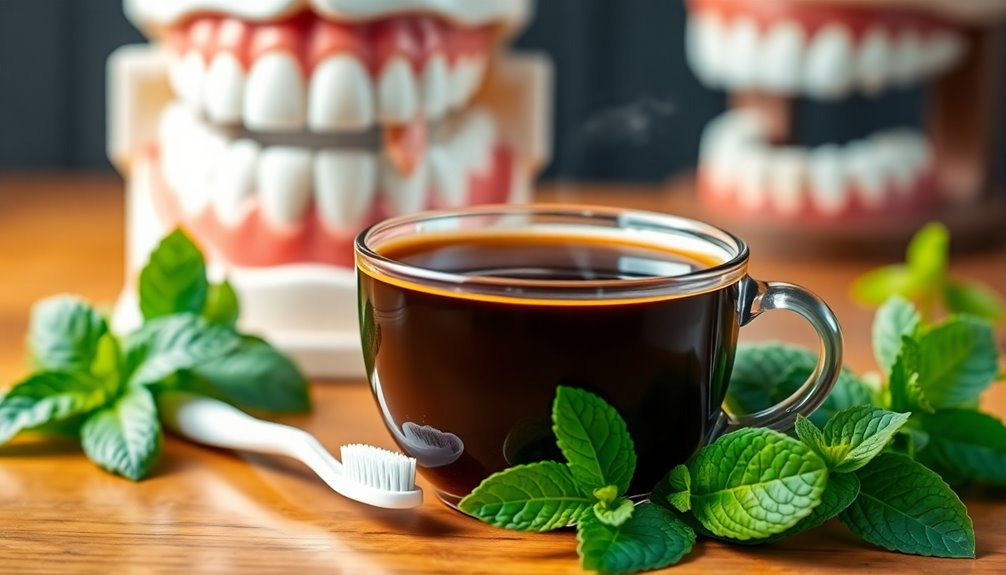
Coffee and tea are more than beverages—they’re rituals, comfort, energy boosters, and cultural staples. But while they offer mental clarity and even health benefits, they also have complex effects on your teeth. Some of these effects are harmful, while others are surprisingly positive.
From staining to acidity, antioxidants to prevention strategies, understanding the real impact of coffee and tea helps you enjoy your favorite drink without compromising your smile.
1. How Do Coffee and Tea Cause Tooth Staining?
Staining is the most visible effect that coffee and tea have on your teeth. Even people with excellent oral hygiene may notice yellowing or discoloration over time if they consume these drinks frequently.
Why staining happens:
1. High Tannin Content
Tannins—plant-based compounds abundant in both beverages—stick to enamel and create surface discoloration.
- Tea generally contains more tannins than coffee, making it surprisingly more likely to stain.
2. Porous Enamel Surface
Enamel is strong but slightly porous. When dark pigments attach to these pores, they accumulate layer by layer.
3. Temperature Effects
Hot liquids open enamel pores more than cold ones, increasing pigment absorption.
4. Frequency of Exposure
Sipping all day coats teeth repeatedly with stain-causing compounds.
Types of staining commonly seen:
- Yellowing of entire tooth surface
- Brownish streaks or lines along enamel grooves
- Dark patches around gumlines
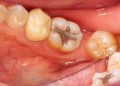
- Deep staining around dental restorations
Although staining is mostly cosmetic, it can make teeth look older or less bright, prompting many coffee and tea lovers to seek whitening treatments.
2. How Does Acidity from Coffee and Tea Affect Your Enamel?
Both coffee and tea are acidic, though coffee is generally more acidic than most teas. This acidity matters because enamel begins to soften when exposed to a pH below 5.5.
Effects of acidic beverages on enamel:
- Weakens enamel surface temporarily
- Increases tooth sensitivity
- Makes stains more likely to stick
- Allows bacteria to penetrate more easily
- Extends the duration of acid attacks if sipped slowly
pH comparisons (approximate):
- Black coffee: 4.5 – 5.0
- Green tea: ~7.0 (neutral but can vary)
- Black tea: ~4.9 – 5.5
- Herbal teas: ranges widely; some are very acidic
Tea tends to be less acidic than coffee, but some herbal blends—especially citrus teas—can be just as harmful to enamel as soda.
Why acidity matters more than frequency:
It’s not just what you drink—it’s how you drink it.
Sipping acidic drinks throughout the day prolongs the time that the mouth stays in an enamel-softening state, increasing the risk of erosion and staining.
3. Do Coffee and Tea Actually Have Any Oral Health Benefits?
Surprisingly, yes. While the staining and acidity often get the most attention, both beverages contain compounds that may actually improve oral health when consumed in moderation.
Antioxidant benefits:
1. Reduced inflammation
Polyphenols found in tea and coffee help fight inflammation, potentially benefiting gum health.
2. Antibacterial properties
Some antioxidants—especially in green tea—can limit the growth of harmful bacteria like Streptococcus mutans.
3. Lower risk of oral cancers
Several studies link moderate intake of tea and coffee with a reduced risk of certain oral cancers due to their antioxidant content.
4. Improved saliva flow
Warm beverages can mildly stimulate saliva production, improving moisture levels.
Green tea advantages:
- Contains catechins that reduce plaque formation
- Supports gum health
- May reduce bad breath-causing bacteria
Coffee also offers benefits, but tea—especially green tea—has more consistent evidence of promoting oral health.
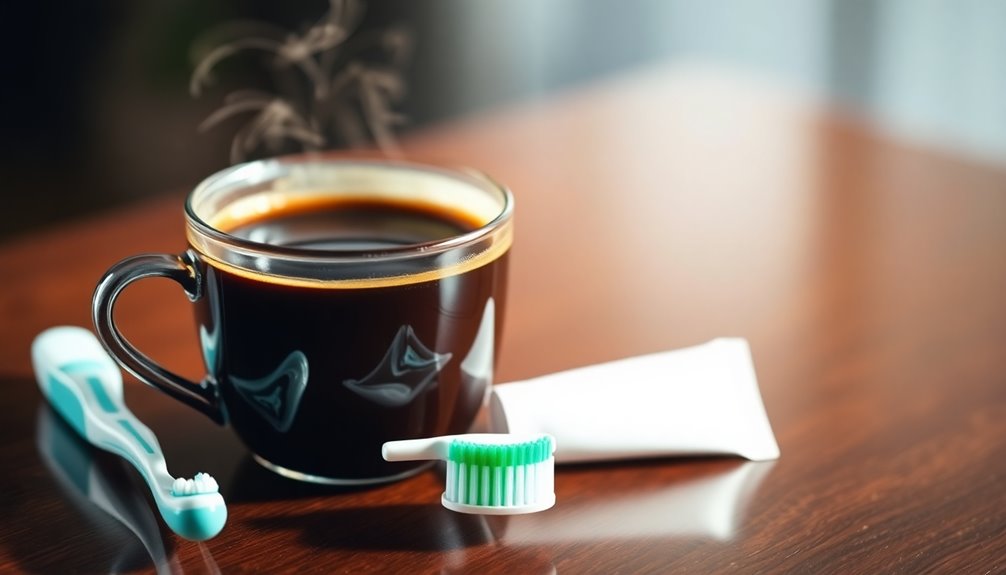
4. What Drinking Habits Reduce Damage from Coffee and Tea?
You don’t have to give up your beverages—just adjust the way you drink them to reduce staining and erosion.
Lower-damage drinking habits:
1. Drink in short sittings instead of sipping all day
Constant sipping extends acid exposure and staining.
2. Use a straw for iced versions
This minimizes contact with front teeth.
3. Rinse with water immediately after drinking
Water washes away pigments and neutralizes acids.
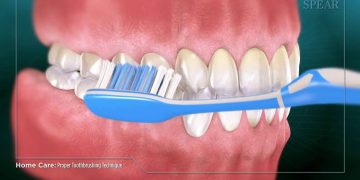
4. Avoid brushing right after drinking
Enamel is softer when acidic; wait 20–30 minutes before brushing.
5. Add milk
Milk proteins bind with tannins, reducing their staining power.
6. Choose lighter roasts or teas
- Lighter coffees contain fewer pigmentation compounds
- White or green tea stains less than black tea
7. Reduce sugar and syrups
Sugar in coffee and tea dramatically increases cavity risk.
8. Drink with meals
Natural saliva flow is higher, which dilutes acids and pigments.
These habits don’t eliminate staining or erosion entirely, but they significantly reduce the long-term effects.
5. How Can You Maintain Whitening Results While Drinking Coffee and Tea?
Whether you’ve professionally whitened your teeth or simply want to keep them bright naturally, proactive maintenance is essential—especially if you consume dark beverages.
Effective whitening maintenance strategies:
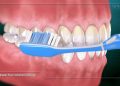
1. Brush with whitening or stain-removal toothpaste
Look for toothpaste containing:
- Hydrogen peroxide
- Baking soda
- Mild polishing compounds
2. Use an electric toothbrush
These remove more surface stain than manual brushes.
3. Get regular dental cleanings
Professional polishing removes deep stains you cannot brush away.
4. Use whitening strips or trays periodically
1–2 times per month can help maintain brightness without over-whitening.
5. Reduce beverage contact time
Shorter drinking sessions = fewer staining opportunities.
6. Choose at-home whitening pens
Great for touch-ups when staining increases.
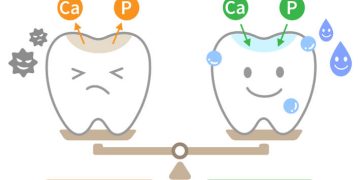
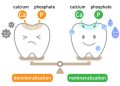
7. Maintain strong enamel
Whitening looks better and lasts longer when enamel is healthy.
Use fluoride toothpaste or remineralizing products containing:
- Hydroxyapatite
- Fluoride
- Calcium phosphate complexes
8. Try “color neutralizing” products
Purple-toned mouthwashes or serums can temporarily counteract yellow tones.
With proper maintenance, you can enjoy your favorite drinks and still maintain a bright smile.
Conclusion: Are Coffee and Tea Bad for Your Teeth?
Not necessarily—it’s about balance and habits.
Coffee and tea do cause staining and can weaken enamel due to acidity, but they also offer antioxidant and antibacterial benefits that support gum and overall oral health.
By drinking these beverages strategically, reducing acid exposure, and maintaining whitening routines, you can enjoy them without sacrificing your smile. Teeth can stay strong, bright, and healthy—even with your daily cup (or two!).










Discussion about this post