























The pursuit of a healthy smile has long been centered on external actions: brushing, flossing, and regular dental cleanings. But a growing body of scientific evidence suggests that the foundation of oral health is built from within, influenced profoundly by our nutritional status. This has led many to wonder: can swallowing a few supplements genuinely make a difference in the fight against cavities, gum disease, and other oral ailments? The answer is a nuanced but promising yes. While supplements are not a replacement for meticulous oral hygiene, they can act as powerful allies, addressing deficiencies and providing targeted support that brushing alone cannot achieve. This article delves into the science behind the most critical supplements for oral health, explaining how they work, who stands to benefit the most, and how to integrate them intelligently into your overall wellness strategy.
1. The Building Block: Calcium’s Foundational Role in Teeth and Bone
Calcium is the most abundant mineral in the body, and its primary reservoir is the skeleton and teeth. Tooth enamel is the hardest substance in the human body, and it is composed almost entirely of a calcium phosphate crystal called hydroxyapatite.
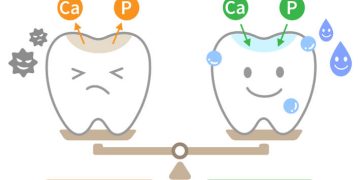
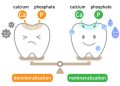
How It Works: Every day, your teeth undergo a natural process of demineralization (losing minerals from acid attacks) and remineralization (gaining them back from saliva). Calcium, along with phosphate, is the essential raw material for this repair process. Without adequate calcium, the body cannot effectively remineralize teeth, leaving them vulnerable to decay. Furthermore, the jawbone that anchors your teeth also requires a constant supply of calcium to maintain its density. A loss of jawbone density can lead to tooth mobility and is a key feature of advanced periodontal disease.
Evidence and Dosage: Numerous studies have linked low dietary calcium intake with an increased risk of periodontal disease. The recommended daily allowance (RDA) for most adults is 1,000-1,200 mg. While dairy products are the most well-known source, supplements can effectively fill the gap for those who are lactose intolerant, vegan, or simply not consuming enough through their diet. Calcium citrate is often recommended for better absorption, especially for older adults.
2. The Essential Director: Vitamin D and Its Role in Mineral Absorption
If calcium is the building material, Vitamin D is the foreman on the construction site. Without adequate Vitamin D, your body cannot absorb calcium efficiently from your diet, no matter how much you consume.
How It Works: Vitamin D regulates the expression of genes that create proteins responsible for calcium absorption in the gut. It also plays a direct role in bone metabolism and the modulation of inflammation. In the context of oral health, sufficient Vitamin D ensures that the calcium you ingest is actually used to strengthen your jawbone and aid in the remineralization of your teeth. Research has consistently shown a correlation between low Vitamin D levels and an increased prevalence of gingivitis and periodontitis, likely due to its role in both bone health and immune function.
Evidence and Dosage: The RDA for Vitamin D is 600-800 IU for most adults, though many experts believe optimal levels are higher. Given that very few foods naturally contain significant amounts of Vitamin D (fatty fish, egg yolks) and sun exposure is inconsistent, supplementation is extremely common. A blood test can determine your specific levels, but a daily supplement of 1,000-2,000 IU is a safe and effective maintenance dose for many adults.
3. The Bacterial Balance: Oral Probiotics for a Healthy Microbiome
The concept of taking probiotics for gut health is well-established, but the idea of using them for oral health is a revolutionary frontier. The mouth hosts its own complex ecosystem of bacteria, and the balance between beneficial and harmful bacteria is crucial.
How They Work: Oral probiotics are specific strains of beneficial bacteria (e.g., Lactobacillus reuteri, Lactobacillus paracasei, Streptococcus salivarius K12 and M18) that are designed to colonize the oral cavity. They work by:
- Competitive Exclusion: They compete with pathogenic bacteria for space and resources on the surface of the teeth and gums.
- Antimicrobial Action: They produce substances like bacteriocins that directly inhibit the growth of harmful bacteria like Streptococcus mutans (a primary cause of cavities) and Porphyromonas gingivalis (a key pathogen in gum disease).
- Modulating the Immune Response: They can help calm the gum tissue’s inflammatory response to plaque.
Evidence and Dosage: Studies have shown that specific probiotic strains can reduce plaque levels, decrease gingivitis, and lower the count of cavity-causing bacteria. They are available in lozenges, tablets, or powders designed to dissolve in the mouth. Consistency is key, with daily use typically required to maintain the beneficial colony.
4. The Inflammation Fighter: Omega-3 Fatty Acids and Gum Health
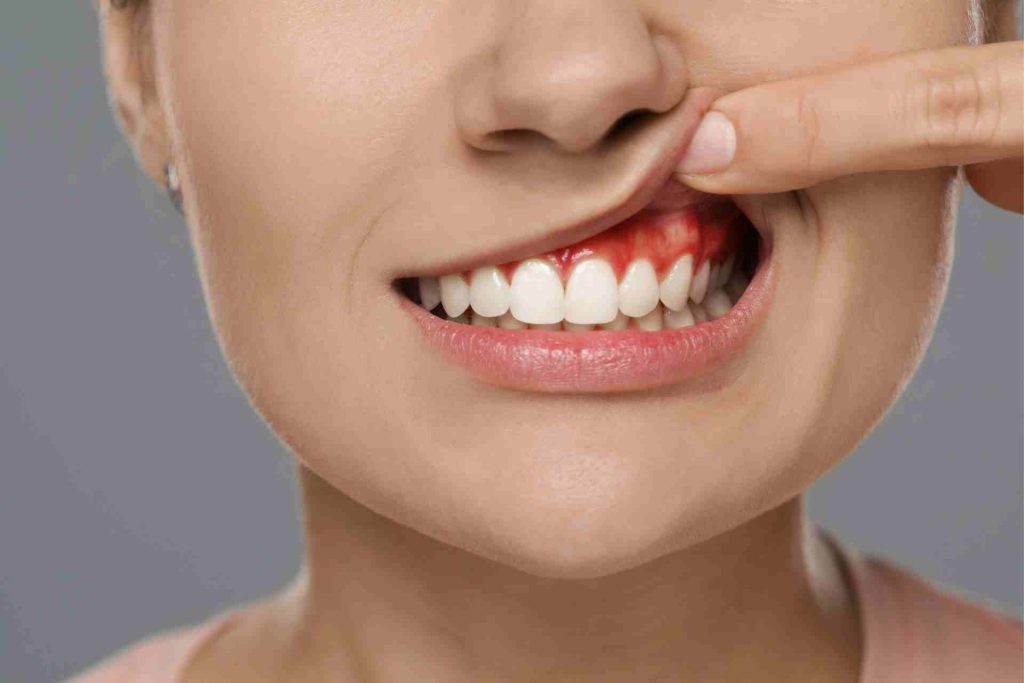
Periodontal disease is, at its core, a chronic inflammatory condition. Omega-3 fatty acids, particularly EPA (eicosapentaenoic acid) and DHA (docosahexaenoic acid), are renowned for their potent anti-inflammatory properties throughout the body.
How They Work: Omega-3s are converted into powerful compounds called resolvins and protectins that actively resolve inflammation. In the gums, this means they can help “turn off” the excessive inflammatory response that leads to the redness, swelling, and bleeding of gingivitis, and the tissue and bone destruction of periodontitis. By modulating this response, they can help slow the progression of gum disease and support the health of the periodontal ligament.
Evidence and Dosage: Robust research, including randomized controlled trials, has demonstrated that supplementing with omega-3s can lead to significant reductions in periodontal pocket depth and gum inflammation. For general health, a combined dose of 500-1,000 mg of EPA and DHA is often recommended. For a therapeutic effect on inflammation, higher doses (2,000-3,000 mg) may be used under a doctor’s guidance. Algal oil is an excellent vegan source of EPA and DHA.
5. The Personalized Approach: Who Truly Needs These Supplements?
Supplements are not a one-size-fits-all solution. They are most beneficial for individuals with specific risk factors, dietary restrictions, or existing conditions.
High-Risk Individuals:
- Those with Gum Disease: Anyone diagnosed with gingivitis or periodontitis can benefit from the anti-inflammatory action of Omega-3s and the bone-supporting role of Calcium and Vitamin D.
- Cavity-Prone Individuals: People who are highly susceptible to decay may find support from remineralization-focused supplements (Calcium, Vitamin D) and probiotics to shift their oral microbiome.
- Older Adults: Aging affects nutrient absorption and bone density, making Calcium and Vitamin D supplementation particularly important.
Those with Dietary Limitations:
- Vegans and Vegetarians: Are at high risk for Vitamin B12 deficiency (which can cause oral sores) and may struggle to get enough Calcium and Omega-3s (unless from algal oil) without supplementation.
- People with Lactose Intolerance: Often have lower calcium intake and are prime candidates for a calcium supplement.
Individuals with Specific Health Conditions:
- Osteoporosis Patients: Their bone health is directly linked to their jawbone health, making Calcium and Vitamin D critical.
- Those with Dry Mouth (Xerostomia): A lack of saliva impairs remineralization. Supporting the process with Calcium and Vitamin D can be especially helpful.
The Final Verdict: Supplements are a powerful tool for optimizing oral health and addressing specific deficiencies or conditions. They work best as part of a synergistic approach that includes a nutrient-dense diet, impeccable oral hygiene, and regular professional care. Before starting any new supplement regimen, it is always wise to consult with your dentist or physician to ensure it is appropriate for your individual health profile and needs. By looking beyond the toothbrush, you can build a truly comprehensive defense for a healthier, stronger smile.









Discussion about this post