
















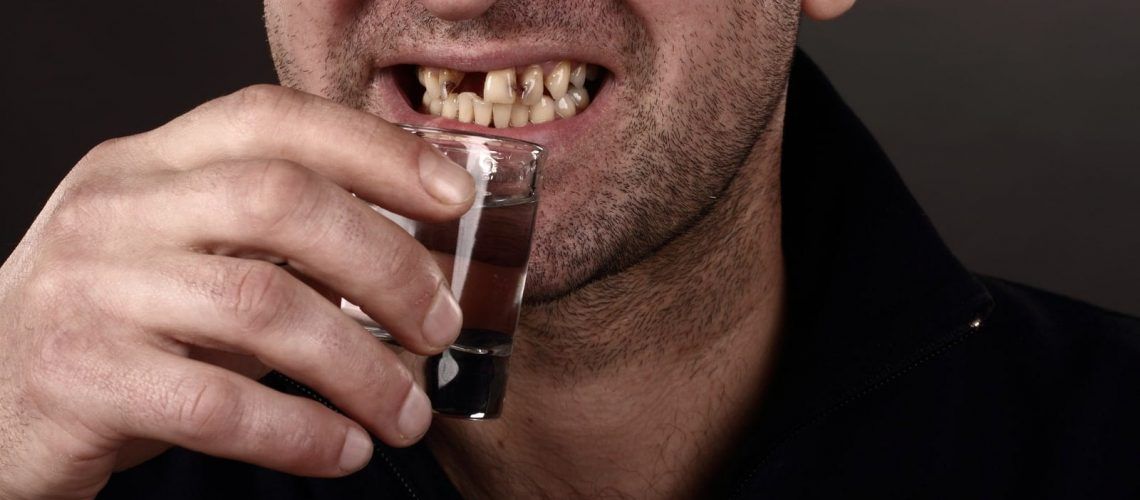
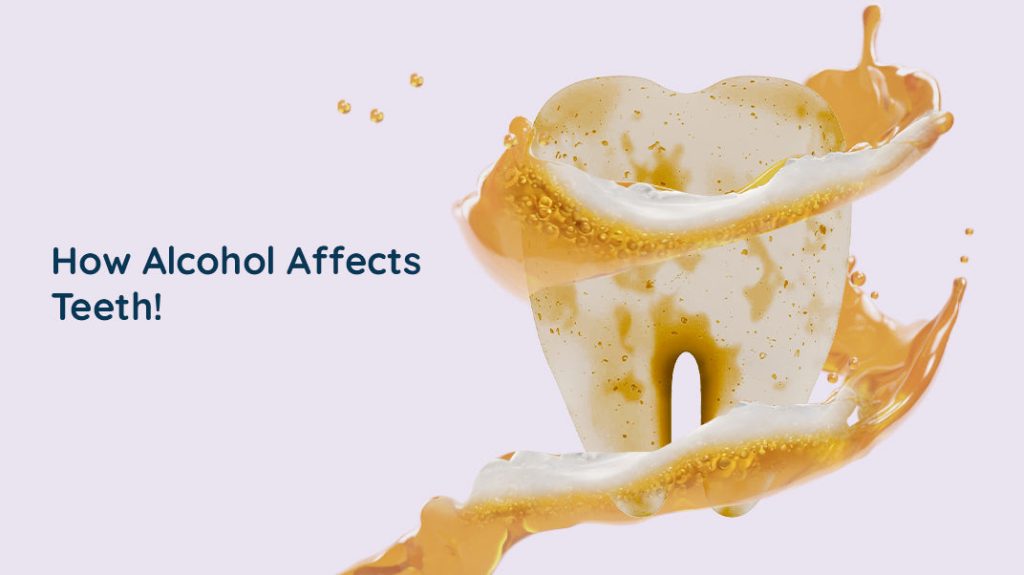
Alcohol is one of the most socially accepted beverages around the world, but its effects on oral health are often underestimated. While most people understand that excessive drinking can harm the liver or cardiovascular system, fewer realize that the mouth is one of the first areas to experience damage. From dehydration to sugar exposure to increased cancer risk, alcohol influences oral health in multiple interconnected ways. Understanding these effects helps you make informed choices—without necessarily giving up your favorite drinks.
Below is a comprehensive deep-dive into how alcohol interacts with your oral environment, why moderation matters, and what you can do to protect your teeth and gums even if you choose to enjoy alcoholic beverages.
1. How Does Alcohol Increase Dry Mouth Risks?
One of the most immediate oral side effects of alcohol consumption is xerostomia, better known as dry mouth. Alcohol is a natural diuretic, which means it draws water out of your body, increasing urination and reducing hydration levels overall. When you become dehydrated, your salivary glands produce less saliva—and saliva is the mouth’s primary defense system.
Why saliva matters
Saliva:
- Neutralizes acids from food and bacteria
- Washes away debris
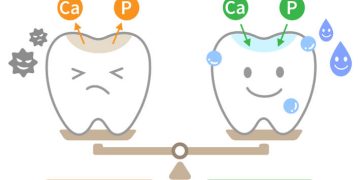
- Delivers essential minerals for enamel repair
- Helps prevent fungal overgrowth like Candida
Without sufficient saliva, the mouth becomes more acidic, harmful bacteria multiply faster, and enamel wears down more easily.
Which alcoholic drinks cause the most dryness?
- Spirits (vodka, gin, whiskey, rum)
- Cocktails with citrus or soda
- Wines with high alcohol content
- Strong beers
The higher the alcohol percentage, the more intense the drying effect.
Consequences of chronic dry mouth
- Increased cavities
- Bad breath
- Thicker plaque formation
- Gum irritation
- Higher risk of tooth sensitivity
If alcohol is consumed frequently, this dehydration-damage cycle can repeat daily.
2. High-Sugar Drinks: Are Some Alcoholic Beverages More Harmful Than Others?
Not all alcoholic drinks contain high sugar, but many of the most popular ones do. The combination of fermentable sugars and acidity creates a perfect storm for bacterial growth.
Common high-sugar alcoholic beverages
- Sweet cocktails (mojitos, margaritas, daiquiris)
- Mixed drinks with soda or juice
- Dessert wines
- Hard ciders
- Liqueurs (Baileys, Kahlua, Amaretto)
- Ready-to-drink alcoholic sodas
These beverages not only provide bacteria with fuel but also reduce the mouth’s pH, making enamel softer and more vulnerable.
How sugar impacts teeth during drinking
When you sip slowly over a long period:
- Sugar repeatedly coats your teeth
- Acids weaken enamel
- Saliva cannot fully neutralize pH
- Bacteria consume the sugar and release acids
- Cavities develop more quickly
This means slow sipping of sugary drinks is worse for your teeth than finishing a drink more quickly and drinking water afterward.
Even “low-sugar” drinks pose risks
Dry wine or straight spirits may contain little sugar, but they are acidic, dehydrating, and often consumed without water—still harmful combinations.
3. What Is the Link Between Alcohol and Oral Cancer?
One of the most serious oral health risks associated with alcohol is its connection to oral and oropharyngeal cancers. Alcohol is classified as a Group 1 carcinogen, meaning it has strong evidence for contributing to cancer formation.
How alcohol increases cancer risk
When alcohol breaks down in the body, it converts to acetaldehyde, a toxic substance that:
- Damages DNA inside cells
- Weakens tissue repair
- Increases cellular mutation
These effects are particularly strong in the mouth, where alcohol makes tissues more permeable and easier for carcinogens to penetrate.
Highest-risk factors
You are at greater risk if:
- You drink daily or binge frequently
- You combine alcohol with tobacco
- You have chronic gum disease
- You have a family history of oral cancer
- You consume hard liquor more than wine or beer
Symptoms to watch for
- Persistent mouth sores
- White or red patches
- Unexplained bleeding
- Chronic sore throat
- Lump in the cheek or neck
- Difficulty swallowing
Early detection is crucial, as oral cancers progress quickly if untreated.
4. How Can You Drink Alcohol Safely Without Damaging Your Teeth?
Protecting your oral health doesn’t mean you must eliminate alcohol altogether. With smart strategies, you can significantly reduce the risks.
Smart drinking habits
- Drink water between alcoholic beverages
- Choose drinks with lower acidity and sugar
- Avoid holding liquids in your mouth
- Use a straw for cocktails and mixed drinks
- Eat while drinking to stimulate saliva
- Rinse with water after every drink
Lower-risk drink choices
Better:
- Light beer
- Dry red or white wine
- Spirits mixed with sparkling water
Worse:
- Cocktails
- Hard ciders
- Sugary mixed drinks
- Sweet wines
Avoid brushing immediately after drinking
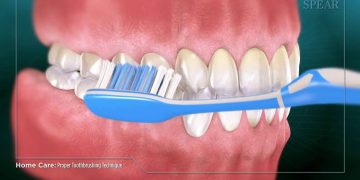
Alcoholic drinks soften enamel. Brushing too soon can erode it further. Wait at least 30 minutes, preferably after drinking water or chewing sugar-free gum.
5. What Post-Drink Care Helps Prevent Damage?
Long-term oral protection requires consistent care. After drinking alcohol, following just a few steps can significantly reduce harm.
Immediate care
- Rinse with water
- Chew xylitol gum to boost saliva
- Use a fluoride mouth rinse before bed
- Hydrate generously to restore salivary flow
Next-day care
- Brush with fluoride toothpaste
- Use interdental cleaners to remove sticky residues
- Avoid acidic foods the next morning to allow enamel recovery
Long-term habits
- Professional cleanings at least twice a year
- Oral cancer screenings at every dental checkup
- Reduce binge drinking and maintain hydration
These habits help counteract alcohol’s impact and keep your teeth strong over time.
Final Thoughts: How Much Does Alcohol Affect Your Mouth?
Alcohol affects oral health more profoundly than many realize. It dries the mouth, feeds harmful bacteria, increases acidity, contributes to enamel loss, and carries a well-established link to oral cancer. But with informed habits—such as sipping water, choosing lower-sugar options, and practicing good oral hygiene—you can still enjoy alcoholic beverages without compromising your dental health.
The key is moderation, hydration, and consistent prevention.







Discussion about this post