

















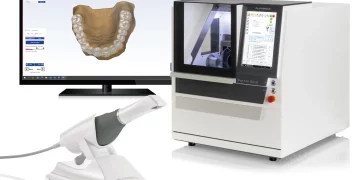
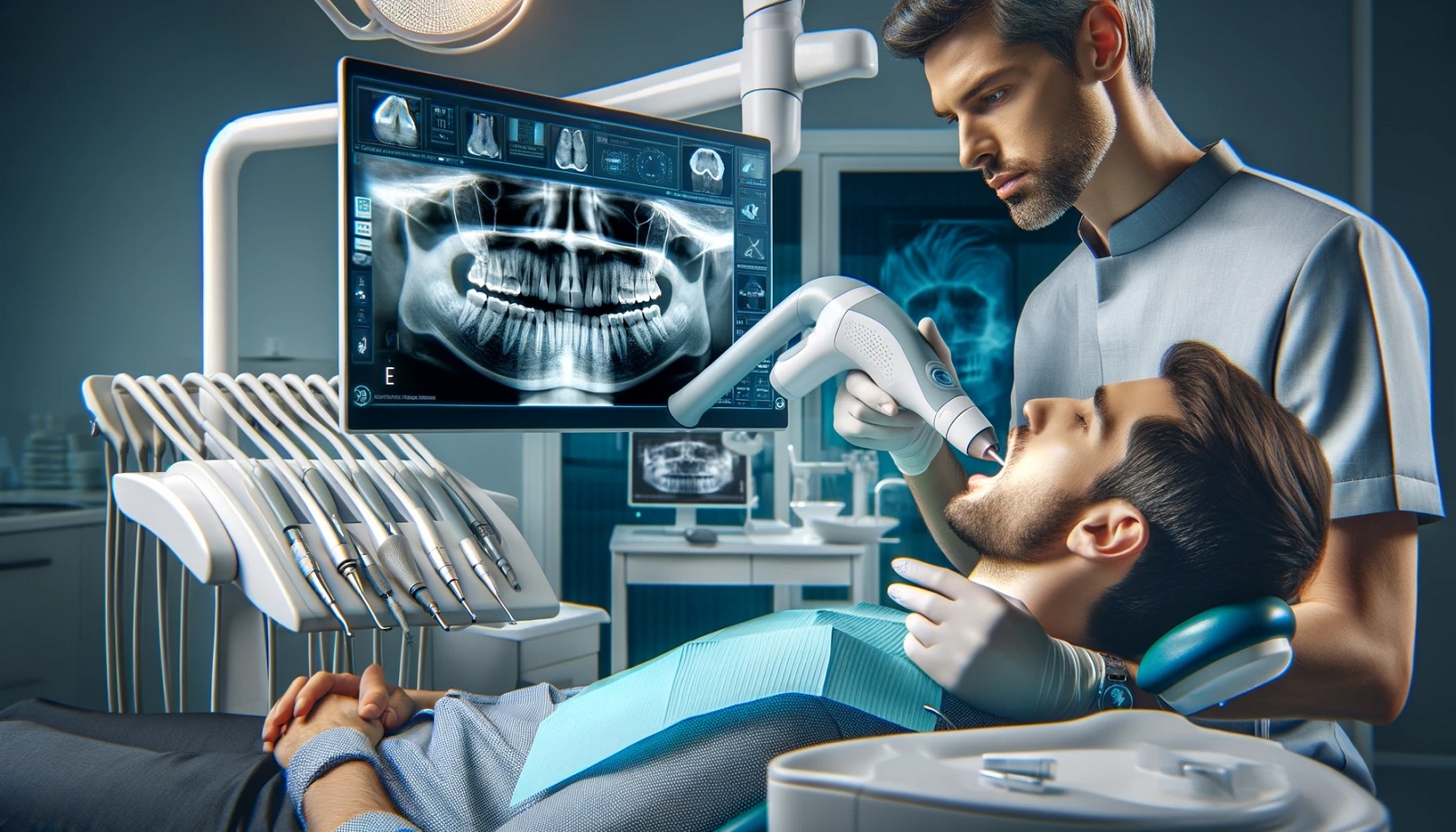
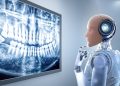
For generations, the cornerstone of dental diagnosis has been the trained human eye. A dentist would peer into a patient’s mouth, use a sharp explorer to feel for soft spots, and analyze X-ray films held up to the light, relying on years of experience to spot the subtle signs of disease. This process, while effective, is inherently subjective and prone to human fatigue and error. Now, a powerful new partner is entering the operatory: artificial intelligence (AI). No longer the stuff of science fiction, AI-powered diagnostic tools are being integrated into dental practices worldwide, offering a level of analysis that is fundamentally changing how we detect and prevent oral disease. This technology is not about replacing dentists but augmenting their capabilities, creating a new standard of care that is more precise, consistent, and proactive. This article delves into the world of AI in dentistry, exploring how algorithms are trained to see the invisible, the dramatic potential for reducing diagnostic errors, and the critical ethical questions this new technology raises.
1. The Digital Watchdog: How AI Detects Cavities with Superhuman Precision
The fight against cavities, or dental caries, is being transformed by AI’s ability to analyze visual and radiographic data with incredible speed and accuracy.
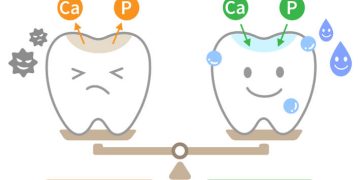
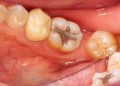
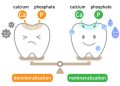
Beyond the Explorer: The traditional method of using a dental explorer to “catch” on a soft spot can be subjective and may not detect early-stage decay that is still confined to the enamel. AI systems take a different approach. They are trained on hundreds of thousands of dental images—both surface photographs and bitewing X-rays—that have been pre-labeled by expert dentists. Through a process called deep learning, the algorithm learns to recognize the minute patterns and density changes associated with demineralization, the first sign of a cavity.
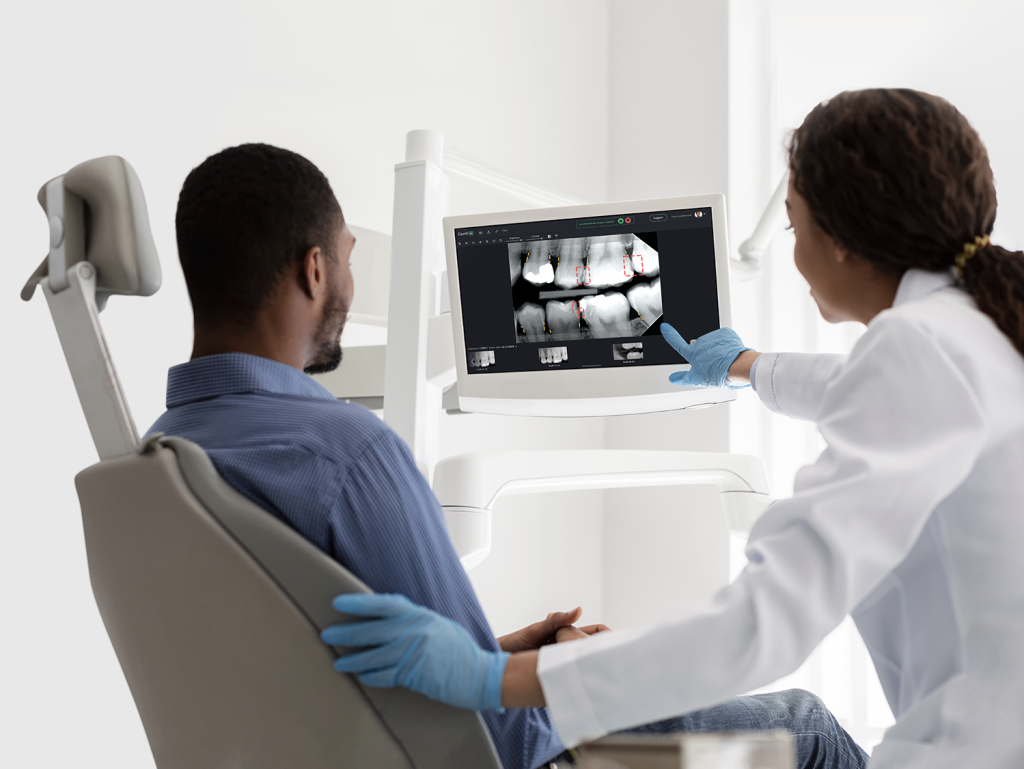
X-Ray Vision: On X-rays, AI truly shines. It can detect incipient lesions (the earliest stages of decay) in the enamel that are often too subtle for the human eye to reliably see. The AI highlights these areas on the digital X-ray, often with a color-coded overlay (e.g., a green box for watch areas, a red box for active cavities), providing the dentist with a clear, data-driven second opinion. This allows for intervention at the earliest possible stage, often when the damage can be reversed with fluoride treatments and improved hygiene, thus preventing the need for a filling.
Quantifying Decay: Unlike a human who might describe a cavity as “small” or “large,” AI can provide quantitative assessments. It can measure the exact depth of penetration and the percentage of the tooth structure affected. This objective data is invaluable for creating a highly precise treatment plan and for monitoring lesions over time to see if they are progressing or stabilizing.
2. The Gum Disease Guardian: AI’s Role in Periodontal Diagnosis
Gum disease (periodontitis) is a silent epidemic and a leading cause of tooth loss. Its diagnosis relies on a manual and somewhat variable process of measuring the pockets between the teeth and gums. AI is introducing a new level of objectivity to this critical assessment.
Automating Periodontal Charting: The standard of care involves using a periodontal probe to measure six points around each tooth, a process that can be time-consuming and uncomfortable for the patient. AI-powered systems can now analyze intraoral scans and X-rays to automatically identify the gumline and the bone levels supporting the teeth. Some advanced systems can even suggest probable pocket depths based on bone loss patterns and inflammation visible in the imagery, flagging specific teeth that require a more focused manual examination.
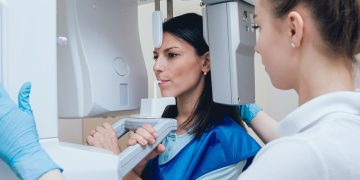
Assessing Bone Loss: On dental X-rays and 3D cone-beam CT (CBCT) scans, AI algorithms can be trained to precisely trace the crestal bone—the bone that holds the teeth in place. It can measure the distance from the cementoenamel junction (where the tooth and root meet) to the bone crest with sub-millimeter accuracy, providing an objective, reproducible record of bone levels over time. This is crucial for monitoring the progression of periodontitis and the success of treatment.
Detecting Inflammation: Research is underway to train AI to recognize visual signs of inflammation in gum tissue, such as redness, swelling, and bleeding, from clinical photographs. This could provide an additional, non-invasive data point for assessing gum health and response to therapy.
3. The Unblinking Eye: How AI Drastically Reduces Human Error
Human clinicians, no matter how skilled, are susceptible to fatigue, cognitive biases, and the simple fact that some pathological signs are at the threshold of human perception. AI acts as a powerful safeguard.
Combating Fatigue and Oversight: At the end of a long clinical day, a dentist’s attention may wane. An AI system does not get tired. It analyzes every image with the same consistent, meticulous attention to detail, ensuring that a subtle radiolucency at the edge of an X-ray or a tiny crack on a tooth surface is not missed due to human fatigue.
Eliminating Subjective Bias: Diagnosis can be influenced by a clinician’s past experiences and inherent biases. One dentist might be more aggressive in diagnosing early decay, while another might be more conservative. AI provides a standardized, evidence-based benchmark. It applies the same diagnostic criteria learned from a vast, diverse dataset to every single case, reducing variability between practitioners and leading to more consistent care.
The Second Opinion in Real-Time: Perhaps the most significant role of AI in error reduction is its function as an instantaneous second opinion. It serves as a check and balance, flagging areas it identifies as suspicious. The dentist then uses their clinical judgment, combined with the AI’s analysis, to make the final call. This collaborative approach creates a powerful diagnostic dyad that is greater than the sum of its parts.
4. The Clinical Co-Pilot: The Practical Role of AI in a Modern Dental Practice
AI is not a futuristic concept gathering dust in a research lab; it is a practical tool that is already enhancing daily workflows and patient communication.
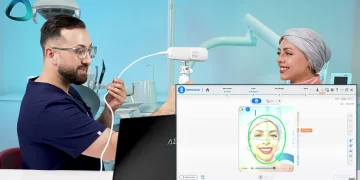
Seamless Integration: Modern AI diagnostic software is designed to integrate directly with existing practice management systems, digital X-ray sensors, and intraoral scanners. The analysis often happens in the cloud in a matter of seconds, with the results displayed directly on the dentist’s operatory screen. There is no disruptive change to the workflow—just a powerful new layer of information.
Enhanced Patient Education and Trust: A picture is worth a thousand words. When a dentist can show a patient a color-highlighted X-ray and say, “The AI has flagged this area as the very beginning of a cavity we need to watch,” it makes the diagnosis tangible and understandable. This visual evidence builds trust and helps patients become more engaged and compliant with preventive recommendations and treatment plans.
Triage and Prioritization: In large clinics or public health settings, AI can be used to screen and triage patients. By rapidly analyzing X-rays, it can help prioritize cases that show clear signs of advanced disease, ensuring those in most need of care are seen first.
5. The Algorithmic Ethicist: Navigating the Concerns of AI in Dentistry
The integration of AI into healthcare is not without its legitimate ethical and practical concerns that must be carefully navigated.
The “Black Box” Problem: Some of the most powerful AI systems are deep learning neural networks whose decision-making processes can be opaque. If a dentist cannot understand why the AI flagged a particular spot, it can create a dilemma. The dental industry is pushing for the development of “explainable AI” that can provide a rationale for its findings, such as pointing to the specific pixel patterns that led to its conclusion.
Liability and Responsibility: If an AI system misses a cavity that later becomes a root canal, who is liable? The dentist, the software developer, or the clinic that purchased the system? The legal framework is still evolving. The prevailing opinion is that the dentist remains the ultimate clinical decision-maker. The AI is a tool, and the responsibility for the final diagnosis and treatment plan still rests with the licensed professional.
Data Privacy and Security: AI systems require vast amounts of patient data (X-rays, scans, photos) to train and operate. Ensuring this highly sensitive health information is anonymized, stored, and transmitted securely is paramount. Breaches could have serious consequences for patient privacy.
Access and Equity: There is a risk that advanced AI diagnostic tools could increase the cost of care or be inaccessible to smaller, rural, or underfunded practices, potentially widening the gap in oral health equity between different socioeconomic groups.
AI-powered dental diagnostics represents a paradigm shift from artisanal skill to data-driven precision. It is a technology that promises to make dentistry less invasive, more preventive, and more predictable. However, its successful integration hinges on a collaborative model where the algorithm’s computational power is guided by the dentist’s clinical experience, empathy, and ethical judgment. The future of dentistry is not a choice between human and machine, but a powerful partnership where AI handles the patterns, and the dentist provides the wisdom.









Discussion about this post